Industrial Solar Solutions
Industrial Solar Solutions
Industrial Solar for Factories and Large Energy Users in Lahore
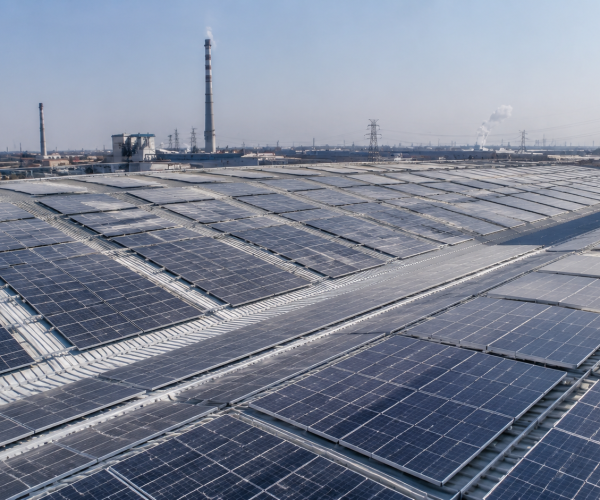
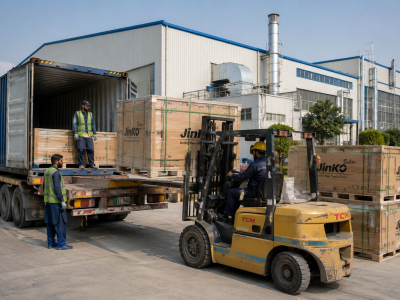
Industrial Solar is designed for factories, warehouses, production units, and high-consumption facilities that need better control over electricity costs. At Hastech Solar, we help industrial clients in Lahore and across Pakistan plan solar systems around real load behavior, working hours, three-phase requirements, and long-term operational needs.
Factory owners do not look at solar the same way homeowners do. A residential customer may be worried about monthly bills, but an industrial customer is often thinking about production cost, machinery load, daytime consumption, cash flow, and how energy pricing affects business planning.
That is why our industrial approach starts with load understanding before equipment selection. We study how the facility uses electricity, when the load peaks, and how solar can reduce energy pressure without disturbing daily operations.
What Energy Problems Do Factories Usually Face?
Factory owners usually consider solar when electricity costs start affecting production margins, monthly cash flow, and long-term planning. Industrial energy use is not simple because machines, motors, compressors, lighting, cooling systems, and office areas may all run at different times.
Common problems include:
- High monthly electricity bills during production months
- Rising per-unit energy cost is affecting product pricing
- Heavy three-phase load that needs careful planning
- Machinery demand changes during different shifts
- Limited visibility into daytime and peak-hour usage
- Roof or shed limitations for a large solar installation
- Concern about downtime during installation
- Confusion about whether 100kW, 150kW, or a smaller system is suitable
- Fear of approving a low quote that misses safety, structure, or monitoring details
This is why Hastech Solar starts industrial projects with a load study and site review before recommending system capacity.
Why Does Industrial Solar Matter for Factories in Pakistan?
Industrial Solar matters because electricity is one of the highest operating costs for factories and production facilities. When energy rates rise, the cost of manufacturing, storage, cooling, processing, and daily operations also increases.
A factory in Lahore may run machinery, motors, compressors, lights, fans, cooling systems, and office areas for long hours during the day. This daytime usage can make solar a strong fit when the system is planned correctly.
For many industrial clients, solar is not just an environmental decision. It is a business decision connected to cost control, production planning, and long-term stability.
Which Solar Direction Fits Your Property Type?
The right solar direction depends on whether the property is residential, commercial, industrial, agricultural, thermal-based, or storage-focused. Each use case has a different load pattern, risk level, and expected outcome.
This structure helps customers understand the direction before comparing products or prices.
solar system
How Is Solar for Factory Different From Normal Solar Installation?
Solar for factory Lahore Pakistan projects requires deeper technical planning than a home or small office installation. Industrial facilities usually have heavier loads, larger roof areas, three-phase connections, and more complex energy patterns.
A factory may have different departments using power at different times. Some machines may run continuously, while others may create short, high-load demands. If this pattern is ignored, the system may not match the facility’s real consumption.
At Hastech Solar, we focus on industrial usage before system sizing. We look at connected load, running load, peak demand, working shifts, roof strength, meter type, and future expansion. This helps us design a solar plan that supports the business properly.
What Should Be Checked Before Planning an Industrial Solar System?
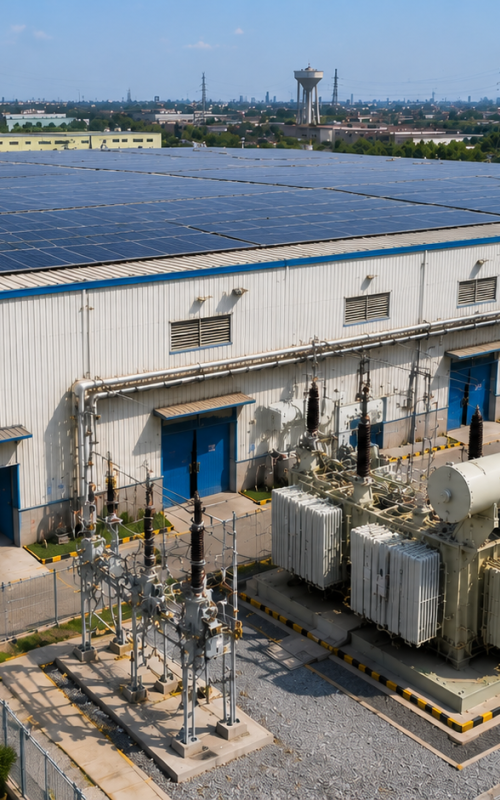
An industrial solar system should be planned after reviewing electrical, structural, and operational details. A large system should not be designed from the electricity bill alone.
Before we recommend capacity, we review:
- Monthly units and seasonal consumption
- Connected load and running load
- Peak usage hours during production
- Three-phase connection requirements
- Roof area, shed structure, and available space
- Machinery load and motor starting behavior
- Transformer and electrical panel setup
- Net metering or export suitability, where applicable
- Installation access and safety requirements
- Future production expansion plans
These checks help reduce risk and improve system performance after installation.
What Is a Three-Phase Solar System in Lahore?
A three-phase solar system for Lahore facilities is designed for properties with a three-phase electrical supply and heavier power demand. It is commonly used in factories, warehouses, commercial buildings, schools, hospitals, and production units.
Three-phase solar is different because power distribution must be balanced properly across phases. If the system is not designed correctly, the facility may face performance issues, phase imbalance, or equipment stress.
For an industrial client, inverter selection, protection devices, wiring, earthing, and distribution planning become very important. Hastech Solar reviews these details before installation so the system supports the facility’s actual electrical setup.
When Does a 100kW Industrial Solar System Make Sense?
A 100kW solar system can make sense for factories or larger facilities with high daytime electricity usage and enough installation space. It is often considered by production units, warehouses, textile-related facilities, cold storage areas, schools, hospitals, and commercial-industrial buildings.
When customers ask about the 100kW solar system price in Pakistan, we explain that pricing depends on more than system capacity. The final cost is shaped by panel selection, inverter type, structure, wiring distance, site conditions, safety components, monitoring, and net metering requirements.
A 100kW system may be suitable when the facility has:
- Consistent daytime electricity usage
- Sufficient roof or ground space
- High monthly unit consumption
- Three-phase electrical infrastructure
- A clear goal of reducing operating costs
- Space for safe installation and future maintenance
The right size should always be confirmed through a technical assessment, not just a general price estimate.
Frequently Asked Questions
What is Industrial Solar?
Industrial Solar is a solar energy system designed for factories, warehouses, production units, and large facilities with higher electricity consumption. It is planned around load, working hours, electrical setup, and long-term operating cost control.
Is solar for the factory in Lahore, Pakistan, suitable for all factories?
Solar can be suitable for many factories, especially those with strong daytime energy usage and available roof or ground space. The final recommendation depends on the load study, site conditions, and electrical infrastructure.
What affects the 100kW solar system price in Pakistan?
The price of a 100kW solar system in Pakistan depends on panel brand, inverter type, structure, wiring, monitoring, protection devices, site access, and installation complexity. A technical survey is needed for accurate pricing.
What is a three-phase solar system Lahore industries use?
A three-phase solar system is designed for properties with a three-phase power supply. It helps support heavier loads and requires proper inverter selection, phase balancing, protection, and electrical planning.
Can Industrial Solar reduce factory electricity bills?
Yes, a properly designed industrial solar system can reduce daytime grid electricity usage and help control monthly energy costs. Savings depend on consumption pattern, system size, sunlight, and maintenance.
Does Hastech Solar provide after-sales support for industrial systems?
Yes, Hastech Solar provides 1 year free after-sales service, followed by paid support after the first year based on system needs. We also guide industrial clients on monitoring and maintenance.
What Features Make an Industrial Solar System Reliable?
A reliable industrial solar system is built around performance, safety, monitoring, and load compatibility. In industrial projects, weak design can affect both savings and operations.
Important features include:
Load-Based Capacity Planning
The system should be sized according to real consumption and production behavior.
Three-Phase Inverter Matching
The inverter must match the facility’s electrical setup and load requirements.
Strong Mounting Structure
Industrial roofs and sheds need structural planning that supports panel weight, wind exposure, and maintenance access.
Protection and Safety Devices
Proper breakers, earthing, surge protection, and wiring layout help protect the system and facility.
Monitoring System
Monitoring helps owners track generation, detect performance drops, and understand daily output.
Maintenance Access
Large systems must be installed in a way that allows cleaning, inspection, and future service.
Hastech Solar also provides 1 year free after-sales service, followed by paid support after the first year based on system needs, helping industrial clients maintain performance through regular guidance, monitoring awareness, and service support. These features matter because industrial solar is not only about generating energy. It is about keeping the system dependable under business conditions.
What Should Factory Owners Ask Before Approving a Solar Proposal?
Factory owners should ask whether the proposal is based on an actual load study, three-phase requirements, equipment quality, safety planning, and after-sales support. A low quote can look attractive, but missing technical details may affect long-term performance.
Useful questions include:
- Has the running load been reviewed?
- Is the system sized according to actual daytime usage?
- Is the inverter suitable for three-phase operation?
- Are protection devices included?
- Is the structure suitable for the roof or shed?
- Is monitoring included?
- What support is available after installation?
Hastech Solar prefers clearing these points early so industrial clients understand exactly what they are approving.
Schedule Your Industrial Solar Assessment with Hastech Solar
If electricity costs are affecting your factory, warehouse, or production facility, Hastech Solar can help you plan an Industrial Solar system based on real load, site conditions, and business goals.