
Thermal Solutions
Thermal Solutions
Thermal Solutions in Lahore for Reliable Hot Water and Lower Energy Pressure
Thermal solutions in Lahore are designed for one of the most overlooked but essential daily needs: consistent hot water without rising electricity or gas dependency. At Hastech Solar, we design solar water heating systems that focus on real usage conditions instead of fixed-size or one-time product assumptions.
Most customers looking for solar water heater Pakistan or solar geyser Lahore are not confused about what the system is. They are confused about whether it will actually work during winter, cloudy days, or heavy usage periods when hot water demand is highest.
What problem does a thermal system actually solve in daily life?
The main problem thermal solutions solve is not just hot water production. It is the inconsistency and rising cost of heating water using traditional energy sources.
Most households and businesses face these issues:
- Gas pressure drops during peak winter demand
- Electric geysers are increasing the monthly bills significantly
- Delayed water heating during high usage times
- Uneven hot water supply in the mornings and evenings
- Increased energy consumption for basic daily routines
These problems create dependency on unstable or expensive energy sources for something as basic as hot water. A thermal system reduces this dependency by shifting heating demand to solar energy collection during the day.
How does a solar water heating system actually work in real conditions?
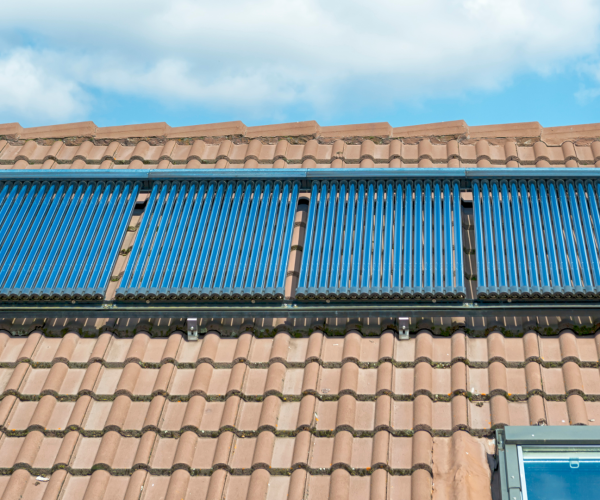
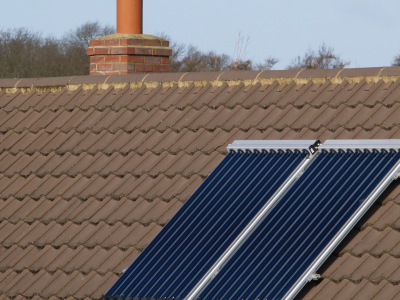
A solar water heating system works by capturing sunlight and converting it into heat energy that is stored in water for later use. Instead of producing hot water instantly like an electric geyser, it works through storage-based heating.
The system works in three stages:
- Solar collectors absorb heat from sunlight during daytime hours
- Heat is transferred into water through a controlled circulation system
- Hot water is stored in an insulated tank for later use
The important part is not just heating, but storing usable temperature for controlled daily consumption. This is why insulation quality and system design are more important than just installation itself.
Which Solar Direction Fits Your Property Type?
The right solar direction depends on whether the property is residential, commercial, industrial, agricultural, thermal-based, or storage-focused. Each use case has a different load pattern, risk level, and expected outcome.
This structure helps customers understand the direction before comparing products or prices.
hot water systems
Why do hot water systems fail during peak demand situations?
Most traditional hot water systems fail not because they stop working, but because they cannot handle demand spikes efficiently.
The most common pain points include:
- Water runs out of heat during the morning peak usage
- Reheating delays increase waiting time
- Energy cost increases during continuous usage cycles
- Gas systems lose pressure during high consumption periods
- Electric systems overload during simultaneous usage
These issues become more visible during the winter months when hot water usage increases across all households at the same time. Thermal systems reduce this pressure by storing heat in advance instead of generating it on demand.
What actually affects solar water heater performance in Pakistan?
Solar water heater performance in Pakistan depends on system design, sunlight exposure, insulation quality, and usage pattern alignment.
Key factors include:
- Collector size and heat absorption capacity
- Storage tank insulation strength
- Daily sunlight exposure duration
- Water usage timing (morning vs evening demand)
- System positioning and installation angle
A system may perform well during the day but still fail at night if storage capacity is not correctly matched with usage demand. This is why proper sizing matters more than just installation.
What makes thermal systems different from electric or gas geysers?
Thermal systems are fundamentally different because they rely on stored solar heat instead of continuous energy input.
Here is the real operational difference:
- Electric geysers depend on a constant electricity supply
- Gas geysers depend on pressure availability
- Thermal systems depend on stored solar heat energy
This changes the usage behavior completely. Instead of turning on the heating every time hot water is needed, thermal systems provide pre-heated stored water that can be used directly. The advantage becomes more noticeable during high-demand seasons when electricity and gas usage are already under pressure.
What limitations should users understand before installing thermal systems?
Thermal systems are effective, but they are not unlimited energy sources. Their performance depends on environmental and design conditions.
Important limitations include:
- Reduced heating speed during extended cloudy weather
- Limited storage capacity based on tank size
- Dependence on proper sunlight exposure
- Variation in seasonal performance levels
These limitations are not system failures. They are design constraints that must be matched with correct planning. A properly sized system reduces most of these issues, but expectation alignment is essential before installation.
Frequently Asked Questions
What is a solar water heating system used for?
It is used to heat and store water using solar energy instead of relying on electricity or gas.
Why does hot water run out quickly in some systems?
It usually happens due to incorrect system sizing or insufficient storage capacity for actual usage demand.
Does a solar geyser work during winter in Lahore?
Yes, it works in winter, but performance depends on sunlight availability and system design quality.
What causes high electricity or gas use for hot water?
Repeated heating cycles and poor insulation in traditional systems increase energy consumption.
How long does stored hot water remain usable?
It depends on insulation quality and system design, but properly designed systems retain heat for several hours.
Can thermal systems reduce utility bills?
Yes, they reduce dependency on electricity and gas for water heating, lowering overall energy costs.
How Hastech Solar designs thermal systems differently
At Hastech Solar, thermal system design is based on actual usage behavior instead of standard product sizing. We focus on how hot water is consumed, not just how it is produced.
Our design process includes:
Step 1: Usage behavior analysis
We study how often and when hot water is used during the day.
Step 2: Demand mapping
We calculate the total daily hot water requirement based on real consumption patterns.
Step 3: Site evaluation
We check sunlight exposure, roof direction, and installation feasibility.
Step 4: System sizing and design
We match collector size and storage capacity with actual demand requirements.
Step 5: Performance testing
We ensure the system can maintain usable water temperature under real conditions.
This prevents underperformance issues that come from incorrect sizing or rushed installation.
What improvements do thermal systems bring when properly designed?
A properly designed thermal system improves not just cost efficiency but also energy predictability.
Key improvements include:
- Reduced dependency on gas and electricity for heating water
- More stable availability of hot water during peak usage hours
- Lower recurring energy consumption for basic needs
- Better control over household or commercial hot water usage
The biggest improvement is consistency, especially during the winter months when demand increases significantly.
Schedule Your Thermal Consultation with Hastech Solar
If you want a reliable solar water heating system in Lahore designed around real usage patterns instead of assumptions, Hastech Solar can help you choose the right thermal solution.