
Agriculture Solar Solution
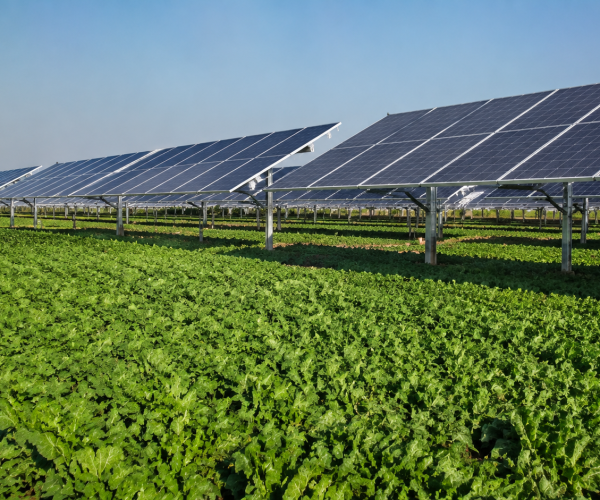
Agriculture Solar Solution
Agriculture Solar Solution in Lahore, Punjab for Smarter and Independent Farming
Anagriculturale solar solution in Lahore, Punjab, is designed for farmers who want reliable irrigation, reduced diesel cost, and independent energy for farm operations. At Hastech Solar, we design solar systems for agricultural use based on actual field requirements, not fixed packages or assumptions.
Most farmers are not just looking for solar panels. They are dealing with real problems like rising fuel costs, unreliable irrigation timing, and difficulty in running water pumps consistently during critical crop seasons. Our role is to replace that uncertainty with a stable solar-based energy system that supports farming needs.
Why are farmers in Punjab shifting to solar energy systems?
Farmers in Punjab are shifting to solar energy because traditional irrigation and pumping methods are becoming expensive and unpredictable. Diesel costs continue to rise, and electricity availability in rural and agricultural zones is often inconsistent during peak farming hours.
A farmer does not lose income because of electricity bills alone. They lose productivity when water is not available at the right time for crops. That timing gap is what pushes many farm owners toward solar-based irrigation systems.
A farm in Sheikhupura or the outskirts of Lahore may face delays in irrigation schedules due to fuel shortages or supply issues. Solar removes that dependency and creates a more controlled irrigation cycle.
What is included in a solar water pump system for agriculture?
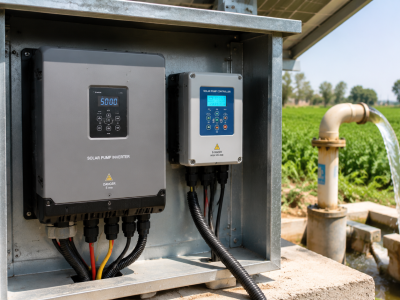
A solar water pump Lahore setup is a system designed to run irrigation pumps using solar energy instead of fuel or an unstable grid supply. It is one of the most practical applications of solar in agriculture.
A typical system includes:
- Solar panels for energy generation
- Pump controller or inverter for load management
- Water pump (submersible or surface, depending on requirement)
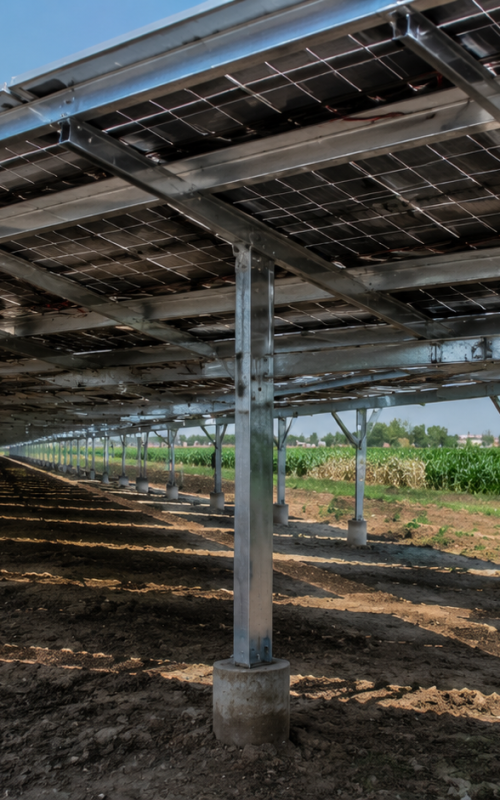
- Mounting structure for field installation
- Optional storage or hybrid support for extended use
This system directly supports irrigation without depending on fuel availability or timing restrictions. For example, a wheat or rice farm can run irrigation during peak sunlight hours without waiting for fuel supply or grid availability.
Which Solar Direction Fits Your Property Type?
The right solar direction depends on whether the property is residential, commercial, industrial, agricultural, thermal-based, or storage-focused. Each use case has a different load pattern, risk level, and expected outcome.
This structure helps customers understand the direction before comparing products or prices.
solar system
What problems does agricultural solar actually solve on farms?
Agricultural solar is not just about replacing electricity. It solves real operational challenges in farming environments.
It helps reduce:
- High diesel fuel expenses for water pumps
- Irrigation delays due to fuel shortages
- Unpredictable water supply timing
- Dependency on external energy supply
- Crop stress caused by inconsistent watering schedules
A farmer in Kasur or near Lahore often plans irrigation around resource availability instead of crop requirements. Solar changes that allow water availability during the required hours instead of restricted fuel cycles.
How does a solar water pump actually work in farming conditions?
A solar water pump works by converting sunlight into electricity that powers the irrigation pump directly during the day.
The process is simple but effective:
- Solar panels generate electricity when sunlight is available
- The controller regulates power flow to the pump
- The pump draws water from a borewell, a canal, or a water source
- Irrigation happens during daylight hours when energy is available
In many farm setups, this aligns perfectly with irrigation schedules because most watering is planned during daytime conditions. Unlike fuel-based systems, there is no waiting for supply or transportation delays.
What is an off-grid solar system or farm system used for in Pakistan?
An off-grid solar system or ffarms inPakistan ss used when farms need complete independence from an external electricity supply. These systems are especially useful for remote agricultural land where grid connection is unstable or unavailable. Instead of relying on external sources, the system stores and manages its own energy for farm operations.
This type of system is commonly used for:
- Tube wells
- Irrigation systems
- Farm lighting and equipment
- Small agricultural processing units
For example, a farmhouse outside central Lahore may require consistent irrigation support without relying on external supply fluctuations. Off-grid solar provides that stability.
What challenges do farmers face before installing solar systems?
Most farmers hesitate before installing solar because of uncertainty about system performance and farm compatibility. The concern is not just cost, but reliability.
Common concerns include:
- Will the system run my water pump properly?
- What happens during cloudy days?
- Is solar strong enough for deep borewell pumping?
- How long will the system last under farm conditions?
- Will maintenance become complicated in rural areas?
These are valid concerns because agricultural systems behave differently from residential setups. That is why proper load analysis and pump matching are critical before installation.
Frequently Asked Questions
What is an agricultural solar solution?
An agricultural solar solution is a solar system designed for farming needs like irrigation, water pumping, and agricultural energy usage.
Can solar run a water pump in farms?
Yes, a solar water pump system can run irrigation pumps using solar energy during daytime hours.
Is solar suitable for farming in Punjab?
Yes, Punjab has strong sunlight availability, making solar highly suitable for agricultural applications.
What is an off-grid solar farm system?
It is a standalone solar system that operates independently for farm irrigation and equipment without an external supply.
How deep can solar water pumps work?
Pump depth depends on system design, pump type, and installed capacity.
Does agricultural solar reduce diesel costs?
Yes, it significantly reduces diesel usage by replacing fuel-based irrigation systems with solar power.
How do we design agricultural solar systems at Hastech Solar?
At Hastech Solar, agriculture systems are designed based on irrigation load, water depth, and farm size instead of standard package sizing.
Our process includes:
Step 1: Understanding irrigation requirements
We study how much water is needed and how often irrigation cycles occur.
Step 2: Pump and load analysis
We evaluate pump type, horsepower, and depth requirements.
Step 3: Site inspection
We assess land layout, sunlight availability, and installation space.
Step 4: System matching
We design panel capacity and controller setup based on actual pumping needs.
Step 5: Installation and field testing
We test the system under real water pumping conditions to ensure reliability.
A rice farm and a vegetable farm may require completely different system designs because water usage patterns are not the same. We also provide 1 year free after-sales service, followed by paid support depending on system requirements.
What benefits do agricultural solar systems provide to farmers?
Agricultural solar provides practical, long-term benefits for farming operations.
Key benefits include:
- Reduced fuel and electricity dependency
- More predictable irrigation scheduling
- Lower operational cost over time
- Improved crop watering consistency
- Reduced manual dependency for pump operation
- Better control over farm energy usage
For example, a farm in Lahore’s outskirts can shift from fuel-based irrigation to solar-powered irrigation, reducing recurring fuel logistics and improving irrigation timing.
Schedule Your Agriculture Solar Consultation with Hastech Solar
If you want to reduce irrigation costs and improve farming efficiency, Hastech Solar can design a custom agriculture solar solution in Lahore, Punjab, based on your farm’s real water and energy needs.