
Residential Solar Solutions
Residential Solar Solutions
Residential Solar System in Lahore for Homes That Want Energy Control and Lower Bills
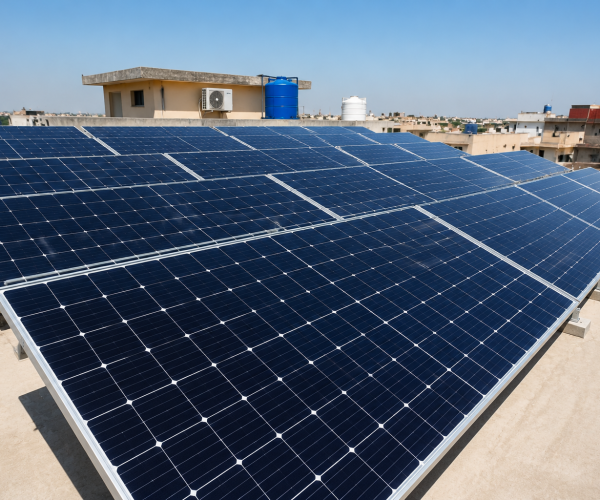
A residential solar system in Lahore is designed for homeowners who want to reduce electricity costs while gaining more control over daily energy use. At Hastech Solar, we design home solar systems based on actual household load, roof conditions, and long-term usage instead of fixed assumptions.
Most homeowners do not start with technical questions. They start with concerns like rising bills, load pressure in summer, and uncertainty about whether solar will actually support their daily appliances. Our role is to turn those concerns into a clear, practical system design.
Why do Lahore homeowners feel uncertain before installing solar?
Most homeowners hesitate before installing a residential solar system because they are unsure whether the system will accurately match their electricity usage and deliver the expected long-term savings.
This uncertainty usually comes from three common factors:
- Different installers are suggesting different system sizes for the same type of home
- Lack of a clear understanding between on-grid and hybrid solar systems
- Concerns about system performance, reliability, and long-term return on investment
In most cases, this hesitation is not caused by solar itself, but by incomplete or unclear load assessment before system design. When energy usage is not properly analyzed, it becomes difficult for homeowners to understand what size or type of system they actually need. That is why proper evaluation before installation plays a critical role in building confidence and ensuring the system is aligned with real household demand.
What is a residential solar system, and how does it actually work?
A residential solar system is a home energy setup that converts sunlight into electricity to power daily household usage.
It works in a simple flow:
- Solar panels generate electricity during daylight hours
- The inverter converts it into usable household power
- The system supplies energy to home appliances in real time
- Excess energy can be managed depending on the system type
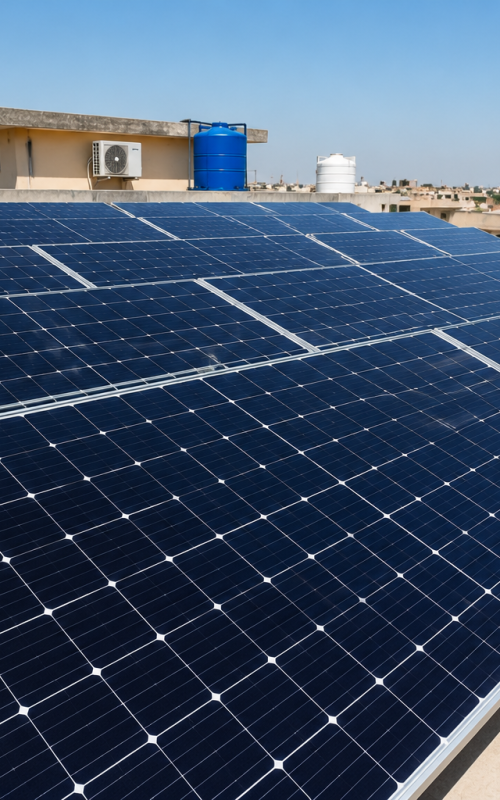
In Lahore, this system works efficiently because most homes receive strong sunlight throughout the year, especially during high-consumption summer months. A properly designed system can support fans, lights, refrigerators, water motors, and air conditioners, depending on system size.
Which Solar Direction Fits Your Property Type?
The right solar direction depends on whether the property is residential, commercial, industrial, agricultural, thermal-based, or storage-focused. Each use case has a different load pattern, risk level, and expected outcome.
This structure helps customers understand the direction before comparing products or prices.
solar system
What type of solar system does a home in Lahore actually need?
The right system depends on how the home uses electricity rather than just roof size or budget.
For example:
- A small 5 marla house may need a compact setup for basic appliances
- A medium home may require a balanced system for AC and daytime load
- A large home may need a higher capacity system for multiple heavy appliances
Instead of recommending a fixed size, we study:
- Monthly electricity usage
- Appliance load (especially cooling systems)
- Day vs night consumption pattern
- Roof space and shading
- Future expansion plans
This helps avoid underperformance or oversizing, which are common issues in poorly planned systems.
What problems does a residential solar system actually solve?
A residential solar system is not only an energy generation setup, but it is also a long-term solution to the daily electricity challenges faced by homeowners.
The most common problems it addresses include:
- High and unpredictable monthly electricity costs
- Increased load during the summer months due to cooling requirements
- Voltage fluctuations that can impact household appliances
- Lack of control over rising energy expenses
- Heavy reliance on grid electricity during peak demand hours
These issues directly affect monthly budgeting and household comfort, especially when energy usage increases seasonally.
A properly designed solar system helps stabilize this pattern by generating electricity during peak daylight hours, reducing dependency on conventional supply, and creating more predictable monthly energy costs over time.
How is home solar installation planned in Lahore?
Home solar installation in Lahore follows a structured process to ensure the system matches real usage and performs properly over time.
We follow a clear process:
Step 1: Understanding household energy use
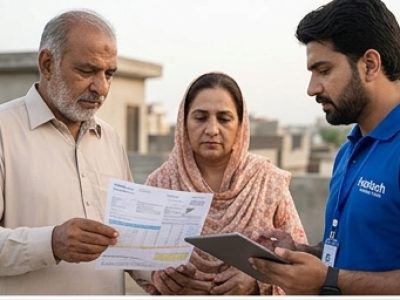
We review electricity bills and identify peak usage patterns.
Step 2: Site and roof inspection
We check roof direction, usable space, and shading impact.
Step 3: System design
We match system size with actual appliance load and energy needs.
Step 4: Equipment selection
We select panels, an inverter, and a structure based on system requirements.
Step 5: Installation and performance testing
We install the system and verify output under real conditions.
This ensures the system is not just installed, but properly aligned with the home’s actual consumption behavior.
How do homeowners compare solar options before making a decision?
Before installation, most homeowners compare different solar system types, brands, and installation offers.
Common comparison questions include:
- Which system works better for homes, on-grid or hybrid?
- How much roof space is needed for full coverage?
- Will solar actually reduce my monthly bill significantly?
- What happens during cloudy days or seasonal changes?
- Which inverter or panel brand is more reliable long-term?
This comparison stage is where most confusion happens. We simplify it by focusing on one key factor: what problem the system needs to solve for your home.
Frequently Asked Questions
What is a residential solar system in simple terms?
A residential solar system is a home setup that converts sunlight into electricity to reduce dependency on grid power.
How do I know which system my home needs?
System size depends on monthly electricity usage, appliance load, roof space, and usage patterns, not just house size.
Can a solar system run air conditioners at home?
Yes, but only if the system is properly sized based on AC load and overall household usage.
Is solar suitable for 5 marla houses in Lahore?
Yes, but system size must be carefully planned based on available roof space and electricity usage.
Does solar completely remove electricity bills?
No, but it significantly reduces bills depending on system design and consumption pattern.
What is included in a home solar installation?
It includes panels, an inverter, a structure, wiring, installation, and system testing based on design.
What makes a properly designed residential solar system different?
A properly designed residential system is not defined by panel count alone. It is defined by how accurately it matches household behavior.
A good system ensures:
- Balanced energy generation during peak sunlight hours
- Correct inverter sizing for household load
- Proper layout based on roof conditions
- Efficient usage of available space
- Long-term stability in performance
A poorly designed system may still generate electricity, but it may not deliver expected savings or reliability over time.
What should homeowners expect after installation?
After installation, a residential solar system starts working immediately during daylight hours and integrates into daily household usage.
Homeowners typically notice:
- Reduced dependence on grid electricity during the day
- Lower monthly electricity bills over time
- Stable energy supply for essential appliances
- Real-time system performance visibility (if monitoring is available)
We also guide customers on how to monitor system performance and maintain efficiency over time.
Schedule Your Home Solar Consultation with Hastech Solar
If you are planning to install a residential solar system in Lahore, Hastech Solar can help you design a system based on your actual household energy usage.